Art education can shape the way students observe the world and understand their own ability to create. A well-designed lesson does not end when the project is placed on a classroom wall. It can leave students with a new technique, a stronger understanding of visual language, or the confidence to approach an unfamiliar creative challenge.
The program brings together art history and practical education to help students learn through direct experience. Its lessons are built around respected artists and the artistic principles demonstrated through their work.
Rather than separating history from practice, the approach allows students to encounter both at the same time. They can learn who an artist was, understand what made the work significant, examine the techniques involved, and then explore similar ideas through their own projects.
The program is also designed with educators in mind. Clear educational structure helps teachers guide students toward specific learning outcomes while maintaining the freedom that makes art personal. The emphasis is on developing ability, curiosity, and confidence through consistent practice.
The collection includes lessons inspired by 35 master artists from different moments and movements in art history. Their work provides students with a broad introduction to different ways of using line, shape, color, composition, texture, perspective, and visual storytelling.
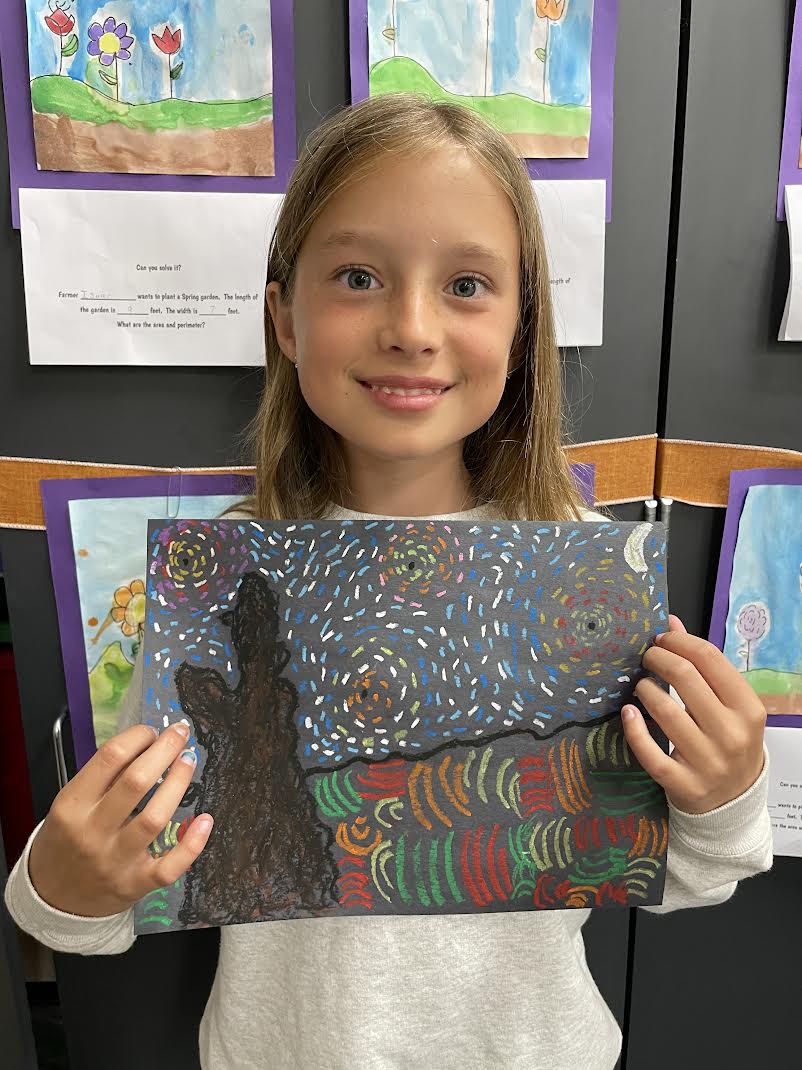
Hands-on activities give students a reason to apply what they have learned. Instead of only looking at an artwork, they can experiment with techniques and make creative decisions themselves. These experiences help turn unfamiliar artistic concepts into something concrete.
The lessons can also encourage discussion. Students can compare artistic approaches, explain their decisions, observe differences in style, and consider how historical context influenced an artist's work. This creates a richer learning experience while strengthening artistic vocabulary and critical thinking.
When students need practical opportunities to build technique.
When teachers want art history to feel relevant to young learners.
When educators need structured projects that still allow individual expression.
When a curriculum needs meaningful connections between history and creativity.
When students are hesitant about their artistic abilities.
When teachers want lessons that encourage experimentation and reflection.
When an art program needs variety without losing educational direction.
One of the strongest features is the connection between inspiration and action. Students do not simply hear about great artists. They investigate artistic choices and respond through their own work.
That process can make difficult concepts easier to understand. Color theory becomes something students test. Composition becomes something they arrange. Texture becomes something they create. Perspective becomes something they practice. In this way, technique develops naturally alongside curiosity.
The program also respects the individuality of student work. The objective is not to produce a classroom full of identical pictures. It is to give students enough knowledge and guidance to make informed creative decisions of their own.
The result is an art experience built around 35 Master Artists That Students Will Remember Years After They Graduate, with learning that can continue to influence how students see and create long after the project is finished.
Explore the artist collection and find lessons that bring history, technique, creativity, and confidence into the classroom. Each lesson offers an opportunity for students to learn from the past while developing their own visual voice.
| Price: | 500 |
| Categories: | Services / Other Services |
| Phone: | 909-429-2787 |
| Address: | 11720 Lemonwood Ct. Fontana, CA 92337 |
| Website: | View our site |
| Email: | lisa@meetthemasters.com |