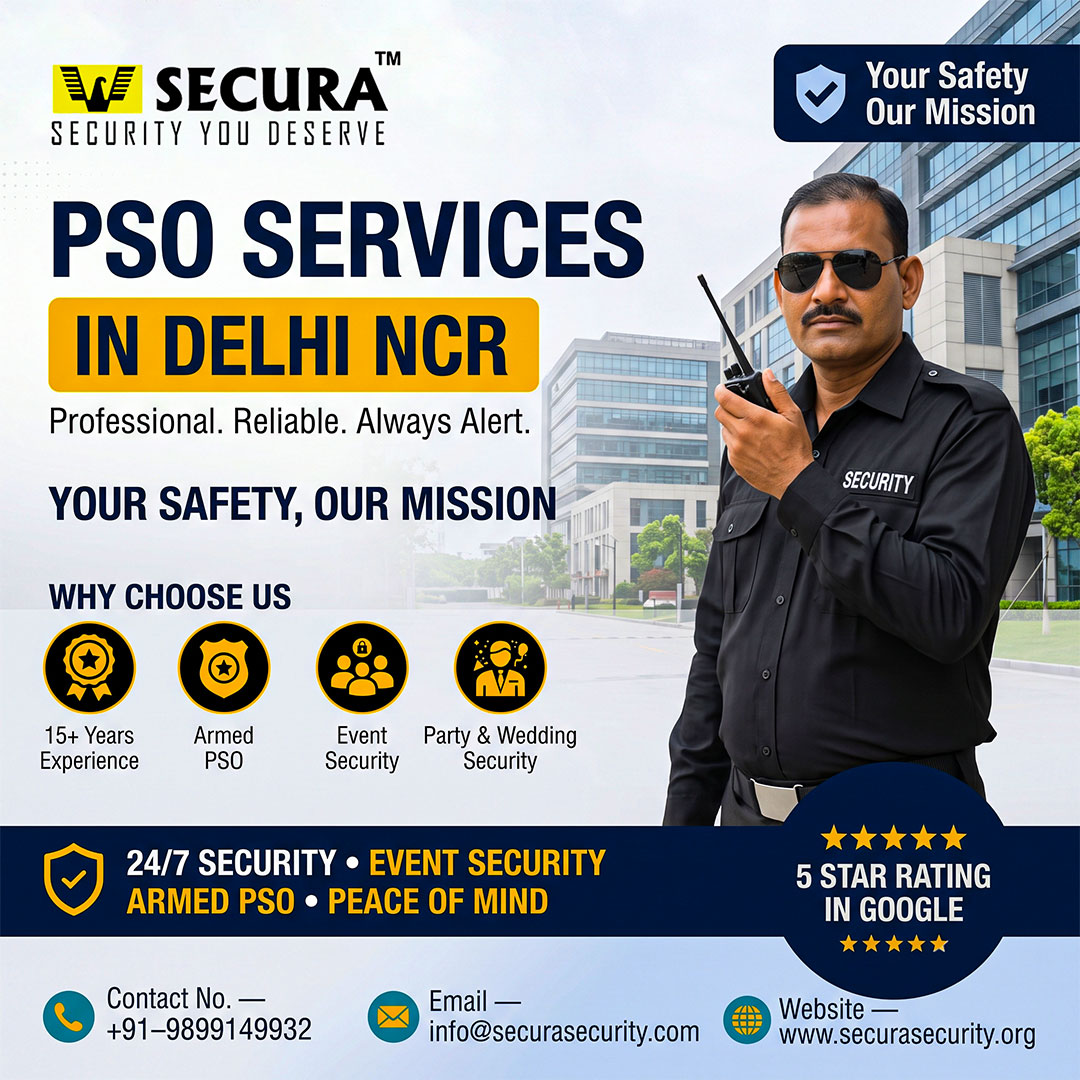

Close protection is a growing trend, and hiring a professional personal bouncer bodyguard has become an important security consideration for high-net-worth individuals, celebrities, corporate executives, and diplomats. When navigating public spaces and high-stakes business environments, security involves much more than passive monitoring. Traditional facility guards may not be equipped to handle today's dynamic threats. A professional personal bouncer bodyguard combines physical deterrence, crowd management, and specialized close protection skills to help keep clients safe.
Choosing the right close protection services is one of the most important operational decisions you can make. Unfortunately, many freelance security providers claim to be legitimate without meeting the necessary licensing, training, and professional standards. Protecting your business and personal safety against physical risks and potential legal complications requires careful evaluation of security vendors based on the E-E-A-T framework: Experience, Expertise, Authoritativeness, and Trustworthiness.
This guide explores the specialized role of a personal bouncer bodyguard and the essential requirements to consider when hiring a professional security provider.
To appreciate the significance of a personal bouncer bodyguard, it is important to understand the overlap between two security roles.
Traditional bouncers primarily focus on physical deterrence, crowd control, and access management at venues and events. In contrast, a conventional bodyguard or Personal Security Officer (PSO) specializes in route reconnaissance, threat assessment, risk management, and safe client movement.
A professional personal bouncer bodyguard combines these capabilities. They provide a visible deterrent against aggressive crowds, overzealous fans, and intrusive paparazzi while applying appropriate protective techniques and proactive threat assessments.
Whether accompanying a client through a crowded public setting or providing discreet security during sensitive business meetings and family dinners, experienced professionals adapt their approach to the environment. Businesses and individuals seeking dependable personal security officers and close protection services should prioritize professional training, legal compliance, and client-specific security planning.
When choosing an executive protection provider, legal compliance is a fundamental consideration. In India, private security agencies are regulated by the Private Security Agencies (Regulation) Act, 2005 (PSARA), along with applicable state rules.
A private security agency must hold the appropriate PSARA license for the state in which it operates. Before hiring an agency, clients should verify its license status, the relevant operating jurisdiction, and the credentials of its management and deployed personnel.
Employing an unlicensed or non-compliant provider can expose a business to legal, contractual, and operational risks. Clients should also verify that any armed security arrangements comply with applicable firearms laws and licensing requirements. An armed officer's authorisation and documentation should be checked wherever relevant.
Working with an established private security agency can help clients make informed decisions about security arrangements, documentation, and compliance. Always independently verify the provider's credentials and applicable legal requirements before entering into a contract.
Trustworthiness involves verifying a close protection officer's credentials and ensuring that they respect the client's privacy, personal boundaries, and business interests.
No security provider should be trusted solely on the basis of appearance or claims. A thorough vetting process should include appropriate police antecedent verification, identity and address checks, employment history verification, and reference checks, subject to applicable law. Medical fitness and psychological suitability assessments may also be appropriate for specific roles.
A professional bodyguard must demonstrate sound judgement, emotional intelligence, discretion, and the ability to remain composed under pressure.
Compliance with labour laws is another important indicator of a security agency's professional standards. Employers should verify the applicable minimum wages for the relevant location, role, and effective date, together with statutory obligations concerning Provident Fund (PF), Employee State Insurance (ESI), and other applicable employment benefits.
Minimum wage rates can change over time and may differ by skill category and jurisdiction. Therefore, clients should request current documentation rather than rely on outdated figures.
An agency that fails to meet its employment obligations may face compliance issues and workforce instability. Fair compensation, transparent payroll practices, and proper employment documentation help support staff retention and professional accountability.
When evaluating a provider such as Secura Security, ask about employee verification, payroll compliance, staff supervision, and the procedures used to maintain service quality.
Expertise involves much more than physical strength. It requires structured training, sound judgement, situational awareness, and the ability to respond appropriately to challenging situations.
Under the PSARA framework and applicable rules, private security training requirements should be verified against the relevant regulations and the officer's category. Training generally covers essential areas such as:
A well-trained personal bouncer bodyguard in Delhi should understand how to reduce tensions without unnecessary physical confrontation. Verbal de-escalation and proportionate responses can help protect the client, reduce the risk of injury, and avoid unnecessary reputational damage.
Training hours and exemptions can vary according to the applicable rules and the individual's background. Clients should request current training records and verify claims about any shortened training pathway for former military, paramilitary, or police personnel.
Experience plays a vital role in executive protection. Former military, paramilitary, and police personnel may bring discipline, situational awareness, and experience working under pressure. However, previous service alone does not automatically establish suitability for a civilian close protection role.
Professionals must also understand client etiquette, confidentiality, communication, lawful use of force, and the specific responsibilities of private security personnel.
Experienced agencies assess each officer's capabilities against the client's individual requirements. For example, a corporate executive travelling between meetings may require a different security arrangement from a celebrity attending a crowded public event.
When evaluating executive protection services, ask about relevant assignments, staff supervision, emergency planning, and the provider's approach to adapting security procedures to each client's circumstances.
A professional close protection officer understands the importance of adapting their appearance and conduct to the environment. Depending on the assignment, this may mean wearing a business suit in a corporate setting or appropriate protective attire in a higher-risk environment.
Effective security is not always about being conspicuous. In some situations, a discreet presence is more appropriate, provided it meets the client's security requirements.
Close protection personnel may be exposed to confidential conversations, travel plans, personal information, and sensitive business activities. Agencies should therefore establish clear confidentiality policies and use appropriate non-disclosure agreements (NDAs) where necessary.
Partnering with a professional close protection and private security provider can help clients establish clear expectations for confidentiality, deployment coordination, reporting, and service delivery.
Before hiring a personal bouncer bodyguard, evaluate the provider against a consistent checklist.
For individuals and organisations seeking security personnel in Delhi NCR, comparing personal bouncer services with dedicated PSO and close protection services can help clarify the most suitable option for the assignment.
Hiring a personal bouncer bodyguard is an important investment in personal safety, operational continuity, and peace of mind. The right provider should combine relevant experience, professional expertise, legal compliance, and trustworthy conduct.
Before making a decision, verify licensing, check officer qualifications, assess training procedures, and review the agency's approach to confidentiality and employment compliance. Applying the E-E-A-T framework can help you evaluate providers systematically and choose a security arrangement that matches your needs.
Whether you require executive protection, event security, or a dedicated personal bodyguard, make an informed choice based on documented credentials and clearly defined responsibilities.
For more information about professional security solutions, visit:
Contact Information
Contact the team to discuss your personal security requirements and explore suitable protection services.
| Categories: | Services / Event Services |
| Phone: | 8882713068 |
| Address: | A26, Ramphal Chowk Rd, near SBI, Block C, Palam Extension, Sector 7 Dwarka, Dwarka, New Delhi, Delhi, 110077 |
| Website: | View our site |
| Email: | securasecurity12@gmail.com |

Member since October 17, 2026
View All Ads Send Message