Brands are constantly seeking new ways to capture attention online. Consumers want to see, interact with, and understand products thoroughly before they click the buy button. This shift in consumer behaviour has made 3D visualization an essential tool for modern storytelling. By transforming flat digital spaces into interactive environments, companies can engage their audiences on a much deeper level.
Reading this guide will help you understand how immersive graphics are changing the way businesses present themselves. You will learn about the evolution of digital marketing, the design benefits of three-dimensional tools, and the practical steps your team can take to adopt these technologies. Ultimately, you will discover how a three-dimensional approach can increase your conversion rates and streamline your creative workflows.
For decades, marketing relied heavily on static imagery. Billboards, magazine adverts, and basic website banners did the heavy lifting for brand awareness. While a high-quality photograph can certainly capture a beautiful moment, it fundamentally limits the user's perspective to a single, chosen angle.
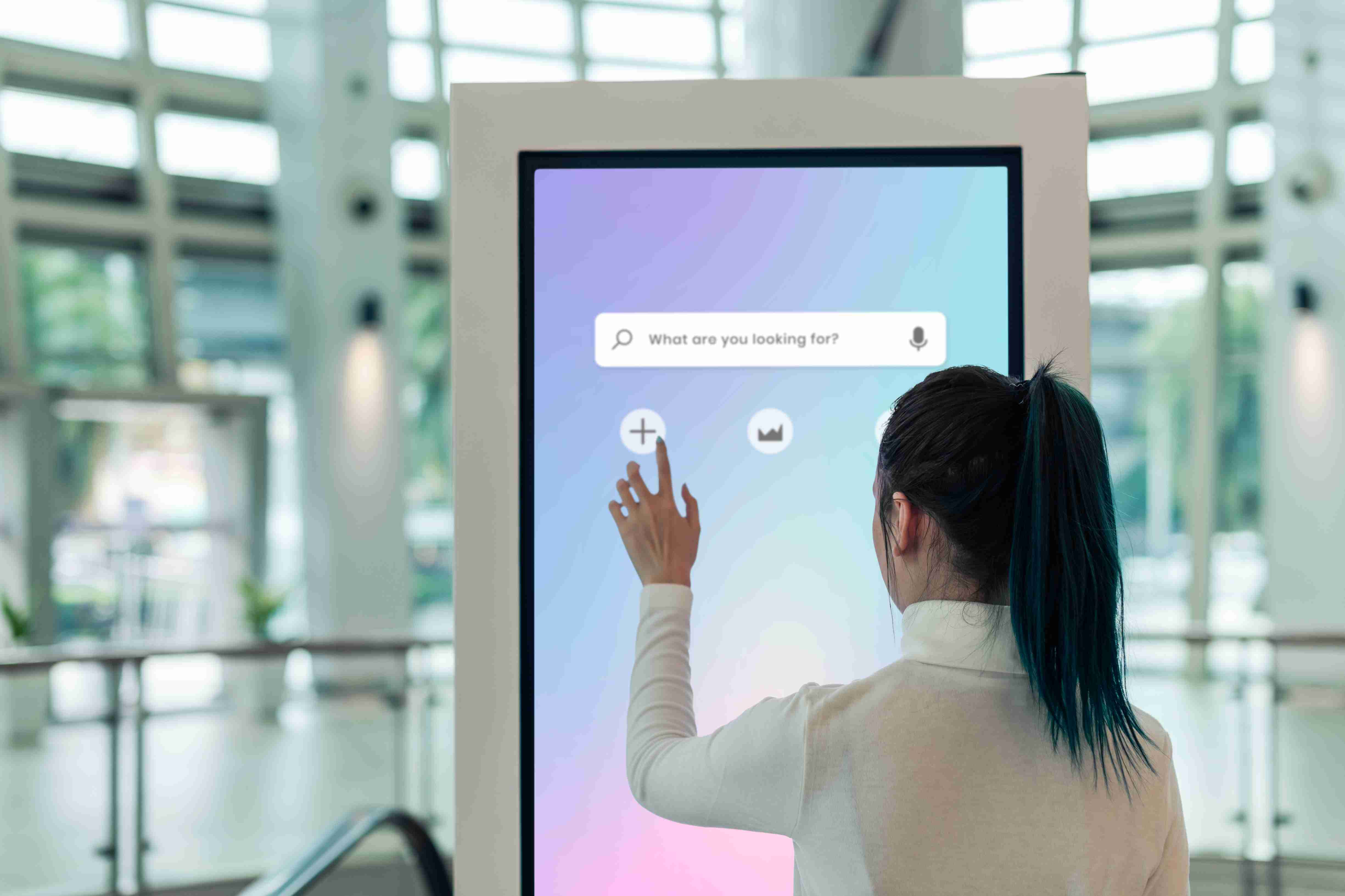
The digital landscape has evolved significantly. Audiences now expect active participation rather than passive consumption. Interactive graphics allow users to rotate a product, zoom in on specific textures, and view items from any angle they choose. This level of interaction builds trust. When a customer can closely inspect the stitching on a virtual shoe or the finish on a piece of furniture, they feel more confident in the quality of the item. Consequently, brands that replace traditional photos with interactive assets often see higher engagement times and lower return rates.
Implementing a three-dimensional pipeline does more than just improve the final customer-facing advertisement. It fundamentally changes how creative teams operate behind the scenes.
Traditionally, designing a new product involved creating multiple physical prototypes. This process was expensive, slow, and wasteful. Digital modelling allows designers to create highly accurate virtual prototypes in a fraction of the time. Teams can test different colours, materials, and structural changes instantly. If a specific component needs adjustment, the designer can modify the digital file immediately without waiting weeks for a new physical sample to arrive from a manufacturer.
Modern design teams are often spread across different time zones. Sharing physical prototypes internationally creates massive logistical bottlenecks. A digital asset, however, can be reviewed by a global team simultaneously. Software platforms now allow multiple stakeholders to leave specific annotations directly on a digital model. This ensures the marketing, engineering, and design departments are entirely aligned before a single physical product is manufactured.
Different sectors are already proving the financial value of these technologies. By providing a richer user experience, companies are seeing a direct impact on their sales figures.
Buying furniture online is historically difficult because customers struggle to gauge scale and spatial fit. Retailers like IKEA have solved this by offering digital models of their catalogues. Customers can place a virtual sofa in their living room to see how it matches their existing decor. This direct visual confirmation drastically reduces purchase hesitation and lowers the rate of bulky, expensive returns.
Car manufacturers have embraced digital showrooms. Instead of holding massive inventories of every trim and colour combination, brands like Audi and Porsche offer online configurators. A buyer can customise the paint, wheels, and interior of their dream car, viewing the highly realistic result from every angle. This hyper-personalised experience creates a strong emotional connection to the product before the customer ever visits a physical dealership.
Transitioning to a new workflow might seem daunting for established teams. However, a structured approach makes the integration process smooth and manageable.
You do not need to digitise your entire inventory overnight. Identify your best-selling or most visually complex items. Focus your initial budget and time on creating high-quality digital twins of these specific products. Once you measure the impact these assets have on your conversion rates, you can justify scaling the programme.
Select software that aligns with your team's current skill level. Beginners might benefit from user-friendly, web-based platforms that automate lighting and rendering. More experienced teams will require industry-standard software like Blender, Cinema 4D, or Maya. Ensure the tools you choose integrate easily with your existing website and e-commerce platforms.
While hiring external agencies is a valid short-term solution, training your in-house staff offers better long-term value. Provide your graphic designers with courses on digital modelling and texturing. Upskilling your current employees ensures your brand retains complete control over its visual identity.
The technology surrounding digital modelling is advancing rapidly. Staying ahead of these trends will ensure your marketing strategies remain competitive.
Augmented Reality (AR) and Virtual Reality (VR) are moving from niche entertainment into mainstream commerce. AR allows users to project digital assets into the real world using their smartphones. VR takes this a step further by placing the user entirely inside a digital environment, perfect for virtual store walkthroughs or immersive brand activations.
Artificial Intelligence (AI) is also accelerating the asset creation process. New AI tools can generate basic three-dimensional models from a single text prompt or 2D photograph. While these AI-generated models still require human refinement, they drastically reduce the initial drafting time for creative teams.
Adopting interactive visual tools provides a clear competitive advantage. Brands that offer immersive, detailed digital experiences build stronger trust with their audiences. Furthermore, the internal benefits of rapid prototyping and global collaboration make your design teams faster and more efficient.
To get started, audit your current top-performing products and select one to serve as your first digital prototype. Explore entry-level modelling software and consider how an interactive asset could enhance your next major marketing campaign. By taking these initial steps, you position your brand at the forefront of digital innovation.
| Categories: | Services / Digital Marketing Services |
| Phone: | 03-6789-2263 |
| Address: | a-4-0, Housing Revamping, 69, street, Manhattan |
| Website: | View our site |
| Email: | im@cmshosting.my |