Did you know that a small molecule found naturally in your blood plasma can actually signal your skin to behave like it is years younger? This molecule is GHK-Cu, a complex consisting of copper ions and a specific tripeptide. While many people spend a fortune on temporary topical fixes, researchers have spent decades studying how this specific chain of amino acids works from the inside out to support tissue repair and collagen production. It is not just another trendy ingredient - it is a fundamental part of our biology that declines as we get older.
You might have heard friends or skincare enthusiasts mention "blue copper" lately - this nickname comes from the striking blue color the peptide takes on when it binds with copper. Because our natural levels of GHK-Cu drop by more than 60 % by the time we reach age sixty, many people are looking for ways to supplement this loss - this guide will walk you through what GHK-Cu is, how it functions in your body and what you should look for if you decide to explore its benefits.
GHK-Cu stands for glycyl-L-histidyl-L-lysine - These are three simple amino acids linked together with a copper atom. In the human body, copper is essential for many enzymatic reactions but it needs a "carrier" to get where it needs to go - that is where the GHK peptide comes in. It acts like a taxi, picking up copper and delivering it to cells that are trying to heal or regenerate. It is a natural part of our wound healing process, often rushing to the site of an injury to calm inflammation and start the rebuilding phase.
Scientists first isolated this substance in the 1970s - They noticed that young blood had a regenerative effect on older liver cells and after further investigation, they identified GHK-Cu as the reason why. Compared to harsh acids or retinols that work - causing controlled damage to trigger a response, copper peptides work - supporting the body's existing repair systems - this makes them a popular choice for those who have sensitive skin or those who want a more "biological" approach to aging.
When you look at the area of modern wellness, you will see GHK-Cu appearing in everything from high end serums to research grade powders. It is important to remember that not all copper products are the same. Some use simple copper salts, which can be irritating. The true GHK-Cu complex is stable and specifically designed to interact with human cells - this distinction is vital if you want to see actual results rather than just blue tinted water.
How does a tiny molecule actually change the way your skin looks? It all starts with gene expression. Research suggests that GHK-Cu can influence over 4 000 human genes, essentially "resetting" them to a more youthful state. It encourages the production of collagen, elastin and glycosaminoglycans - these are the building blocks that keep your skin firm, bouncy and hydrated. Without enough of these, skin becomes thin and loses its ability to snap back after being stretched.
Beyond just building things up, this peptide also manages the cleanup crew. It helps regulate metalloproteinases, which are enzymes that break down damaged proteins. By balancing the "building" and the "breaking down" GHK-Cu helps ensure that the new tissue being formed is healthy and organized - this is why many individuals look into addressing skin laxity through peptide support after significant body changes. It helps the skin's structural integrity catch up with the body's new shape.
If you are using GHK-Cu, the most immediate thing you might notice is a change in skin texture. Because it helps with hydration and collagen, the skin often looks "plump" Over time, people report that fine lines appear less deep and the overall skin tone looks more even. It is particularly effective at reducing redness and calming down irritated patches because of its anti inflammatory properties. It is a very versatile tool for anyone's routine.
Another area where GHK-Cu shines is hair health - Some studies show that it can enlarge hair follicles and stimulate blood flow to the scalp - this makes the hair look thicker and healthier. While it is not a "cure" for baldness, it provides a better environment for hair to grow. Many users find that adding a copper peptide solution to their scalp routine helps with thinning and overall hair strength.
The beauty of this peptide is its multitasking nature - It doesn't just do one thing - it supports the entire ecosystem of the skin - this includes strengthening the skin barrier, which is your first line of defense against pollution and bacteria. A strong barrier means you lose less water to the environment, leading to a natural, healthy glow that isn't just coming from a bottle of moisturizer.
There are multiple ways people choose to incorporate GHK-Cu into their lives. The most common is through topical serums or creams - these are easy to use and generally safe for most skin types. When using a serum, you should apply it to clean skin before heavier oils or moisturizers. You must be careful not to mix it with strong acids like Vitamin C (L-ascorbic acid), as the acid can break the bond between the peptide and the copper, making both ingredients useless.
For the looking for more systemic or intensive results, some researchers focus on different delivery methods - this often involves more direct applications that bypass the skin's outer layer - those interested in the technical side of these protocols often look for a detailed overview of peptide administration to understand how different methods affect bioavailability. The choice depends on your specific goals and how comfortable you are with different routines.
Regardless of the method, consistency is the most important factor. Peptides do not work overnight. They are signaling molecules that tell your body to start a slow, steady rebuilding process. Many individuals start to see real changes after four to eight weeks of regular use. It is a marathon, not a sprint - patience is your best friend when working with copper peptides.
Because GHK-Cu is a delicate chain of amino acids, it is sensitive to its environment. If you buy a high quality product, you want to make sure it stays effective. Heat and bright light can degrade the peptide over time. It is a good idea to store your bottles in a cool, dark place. Some people even keep their serums in a dedicated skincare fridge to ensure the temperature stays stable.
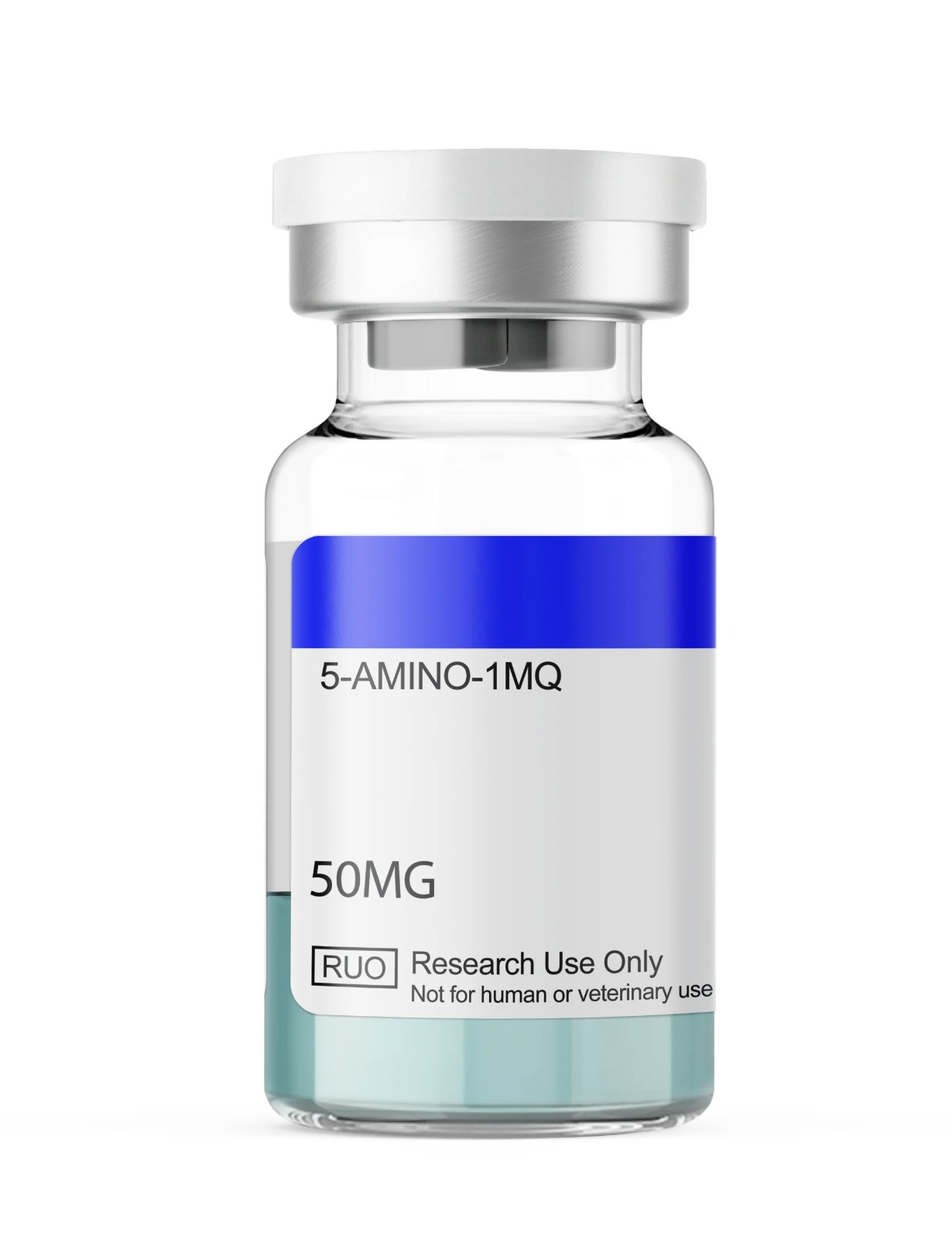
When you are shopping for the products, purity matters - You want to ensure the product is free from heavy metals or contaminants. Many enthusiasts choose to obtain research grade GHK-Cu to ensure they are getting the exact concentration they need without unnecessary fillers or fragrances. Checking for third party testing or certificates of analysis is a smart move to verify that the "blue" in the bottle is actually the copper peptide complex you are paying for.
In summary, GHK-Cu is a powerful, science backed tool for supporting your body's natural repair mechanisms. If you want to improve your skin's appearance, support hair health or just maintain a youthful biological profile, this peptide offers a gentle but effective way to do so. By understanding how it works and how to handle it properly, you can make the most of this fascinating "blue copper" molecule.
Yes, most people use copper peptides daily - However, it is always a good idea to start slowly - perhaps every other day - to see how your skin reacts. If you notice any irritation, you can lower the frequency.
Some individuals find that using both together is too much for their skin, while others love the combination. If you use both, it is best to use GHK-Cu in the morning besides Retinol at night to avoid any potential sensitivity or interference.
The blue color is natural - When the GHK peptide binds with a copper ion, it creates a specific chemical structure that reflects blue light. If a "copper peptide" serum is clear, it might not contain enough of the actual GHK-Cu complex.
Generally, most stable formulations last about 3 - 6 months after opening if stored correctly. Always check the expiration date and keep the lid tightly closed to prevent oxidation.
| Price: | 100 |
| Categories: | Items for Sale / Health & Beauty Items |
| Phone: | 9096691551 |
| Address: | 2436 Main Street, Springfield, IL 62704, United States |
| Website: | View our site |
| Email: | justpeptideslab@gmail.com |