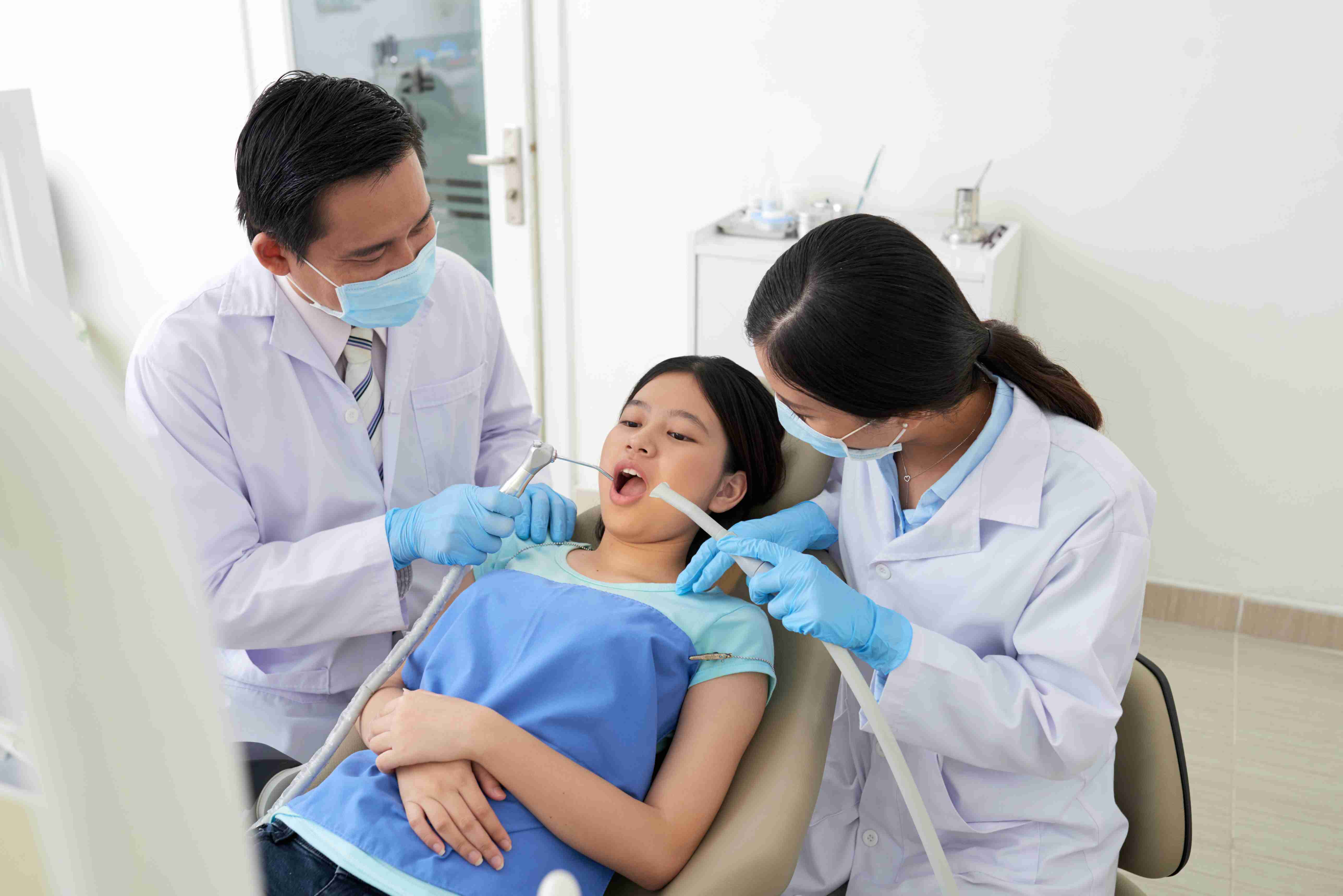
Metal braces were once the only real option for straightening teeth. For adults, that meant visible brackets, dietary restrictions, and the self-consciousness that came with it. Clear aligners have changed that equation entirely. Removable, virtually invisible, and increasingly affordable, clear aligners have quietly become the preferred orthodontic choice for adults who want results without the disruption to their daily lives.
If you've been sitting on the fence about orthodontic treatment, here's a closer look at why so many adults are making the switch—and why the technology behind it is better than ever.
The mechanics are similar—both systems apply gentle, consistent pressure to shift teeth into alignment. But the experience of wearing them couldn't be more different.
Traditional metal braces are fixed to your teeth for the entire duration of treatment. They require regular tightening appointments, can irritate the inside of your cheeks, and make certain foods (think sticky sweets, hard nuts, and chewy bread) off-limits. For teenagers, this is manageable. For adults juggling careers, social lives, and professional reputations, the trade-offs feel more significant.
Clear aligners, by contrast, are custom-made trays worn over the teeth for 20–22 hours a day. They're swapped out every one to two weeks as teeth gradually move into position. There are no wires, no brackets, and no emergency appointments when something snaps. Most people won't even notice you're wearing them.
For many adults, the visual appeal of clear aligners is reason enough. Whether you're presenting to a boardroom, attending a networking event, or simply going on a first date, the last thing you want is a mouth full of metal commanding attention.
Clear aligners are made from smooth, transparent plastic. From a normal conversational distance, they're effectively invisible. This single feature removes one of the biggest barriers that kept adults away from orthodontic treatment for years.
Here's something that doesn't get talked about enough: braces make brushing and flossing genuinely difficult. Food gets trapped around brackets, and cleaning between wires requires special tools and extra time. Poor oral hygiene during treatment can lead to staining, plaque build-up, and even gum disease.
Because clear aligners are removable, your oral hygiene routine stays exactly the same. Take them out, brush and floss as normal, clean the trays, and put them back in. It's straightforward, and it means your teeth and gums stay healthy throughout the entire process.
One of the more frustrating aspects of traditional braces is the restricted diet. Clear aligners require no such compromise. Remove the trays before eating, enjoy whatever you like, then brush before putting them back in. That's it.
For adults who travel frequently, dine out regularly, or simply don't want to audit their meals for brace-friendly options, this flexibility is a genuine quality-of-life improvement.
The psychological impact of orthodontic treatment goes well beyond aesthetics. Research consistently shows that people who feel confident in their smiles tend to be more outgoing in professional and social settings—more willing to speak up, more comfortable in interviews, more at ease in social interactions.
For adults who've spent years feeling self-conscious about crowded or misaligned teeth, the effect of treatment can be quietly transformative. And because clear aligners don't require trading one source of self-consciousness for another (visible metal braces), adults can move through treatment without feeling the need to explain themselves or hide their smiles in the interim.
This matters particularly in professional environments where first impressions carry weight. A confident smile isn't a vanity—it's a form of communication.
Clear aligner treatment today looks very different to what it did even five years ago. Advances in digital imaging and 3D treatment planning have made the process faster, more accurate, and more personalised than ever before.
Most providers now use intraoral scanners to create a precise digital map of your teeth, replacing the uncomfortable physical impressions that used to be standard. From this scan, software generates a detailed treatment plan that shows—before you've even started—how your teeth will move at each stage and what your smile will look like at the end.
This level of predictability benefits both patient and provider. You know what you're working towards. Your orthodontist can plan more accurately. And the aligners themselves, produced using computer-aided manufacturing, fit with a precision that simply wasn't possible with older methods.
Some systems also incorporate remote monitoring tools, allowing your provider to track your progress between appointments via smartphone photos. For busy adults, fewer in-clinic visits is a significant advantage.
The quality of your outcome depends heavily on who oversees your treatment. Clear aligners are increasingly available through direct-to-consumer services, but for most adults, working with a qualified orthodontist or dentist remains the safer and more reliable route—particularly for moderate to complex cases.
Here are a few practical tips for getting started:
Clear aligners have removed many of the reasons adults put off orthodontic treatment for years. The technology is more sophisticated, the process is more convenient, and the results speak for themselves.
The best starting point is a consultation with a qualified provider who can assess your teeth, walk you through your options, and give you a clear picture of what treatment would involve. From there, the path to a straighter, more confident smile is more straightforward than most people expect.
| Categories: | Community / Announcements |
| Phone: | 01234578902 |
| Address: | A-idj-09, wangsa mall, |
| Website: | View our site |
| Email: | kadewi8228@iotrama.com |